BLOG

Guide to mouth ulcers & how to manage them

20 / 10 / 2025

We’re committed to providing you with the best information we can, especially in a time where we are all unable to go about our daily lives in the normal fashion. To help, our clinical team have been putting together as much information as possible on dental and oral health for you to access from the comfort of your own home.


GET IN TOUCH

mouth ulcers banner

How to Get Rid of Mouth Ulcers: Causes, Treatments & How to Find Relief

Mouth ulcers are small, painful sores that can develop inside the mouth, making everyday activities such as eating, drinking and talking uncomfortable. Although most mouth ulcers are harmless and clear up on their own, they can be frustrating, particularly if they keep coming back.

So, how do you get rid of mouth ulcers? Are there treatments that can help ease the discomfort, and when should you be concerned?

At Larkham House Dental Practice in Plymouth, we believe that understanding your oral health is an important part of maintaining a healthy smile. In this guide, we’ll explore the common causes of mouth ulcers, how to manage them at home, treatments that may help and when it’s important to seek professional advice.

What are mouth ulcers?

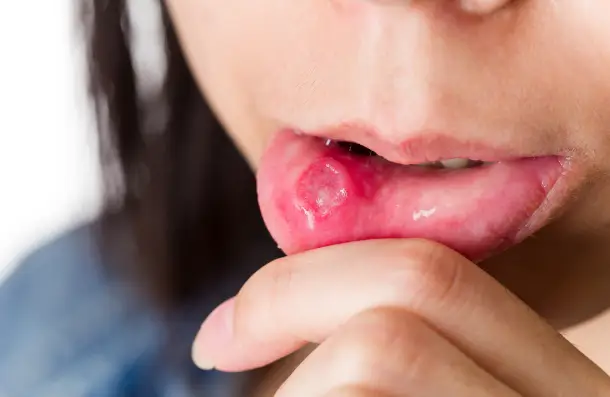
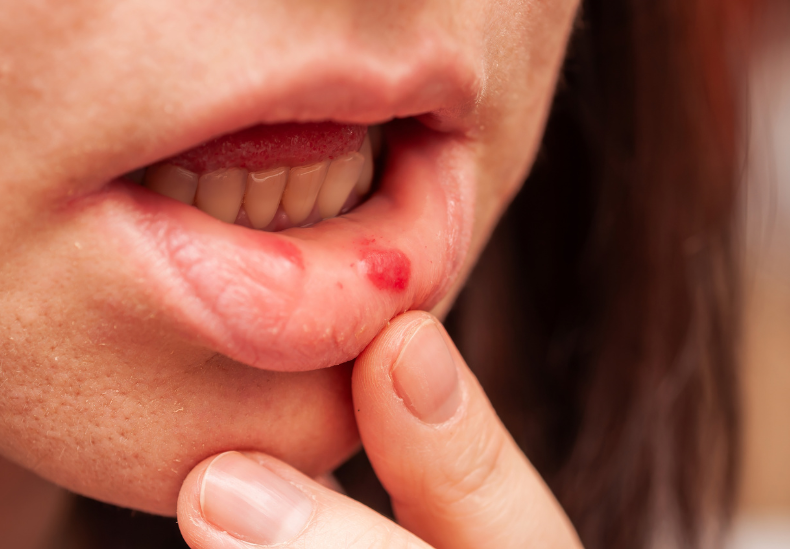
Mouth ulcers, also known as oral ulcers, are small sores that develop on the soft tissues inside your mouth. They can appear on the inside of your cheeks, lips, tongue, gums or the floor of your mouth.

They are usually round or oval-shaped, with a white, yellow or greyish centre and a red border. Some may be very small, while others can be larger and more painful.

Common symptoms include:

  • A sore or painful area inside the mouth.
  • A white, yellow or grey spot surrounded by redness.
  • A stinging or burning sensation, particularly when eating.
  • Discomfort when brushing your teeth.
  • Difficulty eating certain foods or drinking acidic beverages.

Mouth ulcers are not usually contagious and are different from cold sores, which are caused by the herpes simplex virus and commonly appear around the outside of the lips.

Mouth Ulcer Larkham House Plymouth

What causes mouth ulcers?

There isn’t always one identifiable reason why someone develops a mouth ulcer. However, several factors can contribute to their formation.

Accidental injury or irritation

One of the most common causes is damage to the soft tissues inside your mouth. This might happen when you accidentally bite your cheek, brush your teeth too vigorously or eat something sharp that scratches the lining of your mouth.

Other possible causes include:

  • Ill-fitting dentures or orthodontic appliances.
  • A sharp or broken tooth.
  • Dental treatment that has irritated the surrounding tissues.
  • Accidentally burning your mouth with hot food or drinks.

If an ulcer keeps appearing in the same place, it’s worth having your dentist check for a possible source of irritation.

Stress and hormonal changes

Stress, anxiety and hormonal fluctuations may contribute to recurrent mouth ulcers in some people.

Some women notice that ulcers develop around their menstrual cycle, while others experience flare-ups during particularly stressful periods.

Nutritional deficiencies

Low levels of certain vitamins and minerals, particularly vitamin B12, iron and folate, can be associated with recurring mouth ulcers.

If you regularly experience ulcers without an obvious cause, speak to your GP about whether further investigation or blood tests may be appropriate.

Certain foods and drinks

Some foods can irritate existing ulcers or trigger symptoms in people who are susceptible to them.

Common triggers include:

  • Citrus fruits, such as oranges and lemons.
  • Tomatoes and tomato-based sauces.
  • Spicy foods.
  • Salty foods.
  • Very hot drinks.
  • Rough or crunchy foods, such as crisps and toast.

Keeping a note of what you eat when ulcers develop may help you identify any personal triggers.

Underlying medical conditions

Occasionally, recurring mouth ulcers can be associated with underlying health conditions, including coeliac disease, Crohn’s disease and certain immune-related conditions.

Some medications can also contribute to mouth ulcers.

If you experience frequent, severe or unusually persistent ulcers, it’s important to discuss this with your dentist or GP.

How to get rid of mouth ulcers quickly

Mouth ulcer Larkham House Plymouth

Unfortunately, there isn’t an instant cure for mouth ulcers. Most heal naturally within one to two weeks, but there are several things you can do to ease discomfort and avoid further irritation while they heal.

Here are some practical ways to manage mouth ulcers at home.

Rinse with warm salt water

A simple saltwater rinse can help keep your mouth clean and may soothe an irritated area.

To make your own rinse:

  • Dissolve half a teaspoon of salt in a glass of warm water.
  • Swish the solution gently around your mouth.
  • Spit it out rather than swallowing it.

You can repeat this as needed.

Use a soft-bristled toothbrush

Brushing over an ulcer can be uncomfortable, but maintaining good oral hygiene is still important.

Use a soft-bristled toothbrush and brush gently around the affected area. Avoid putting unnecessary pressure on the ulcer.

You may also wish to try a toothpaste that does not contain sodium lauryl sulphate (SLS), as this ingredient can irritate some people’s mouths.

Avoid foods that irritate the ulcer

While your mouth heals, try to avoid foods and drinks that may aggravate the affected area.

These include:

  • Spicy or heavily seasoned foods.
  • Citrus fruits and acidic drinks.
  • Very salty foods.
  • Crisps, crusty bread and other sharp or crunchy foods.
  • Very hot food and drinks.

Choose softer foods and cooler drinks if eating is uncomfortable.

Try pharmacy treatments

There are several products available from pharmacies that may help relieve the discomfort associated with mouth ulcers.

Depending on your symptoms, a pharmacist may recommend:

  • Mouth ulcer gels: These can help protect the affected area and provide temporary pain relief.
  • Pain-relieving sprays or mouthwashes: These may help reduce discomfort.
  • Antimicrobial mouthwashes: These can help maintain oral hygiene.
  • Medicated treatments: Certain treatments, including corticosteroid preparations, may be recommended for particular types of ulcers.

Always follow the product instructions and ask your pharmacist for advice about which treatment is suitable for you.

Identify and manage potential triggers

If you experience recurrent mouth ulcers, try to identify whether anything seems to trigger them.

Consider keeping a simple diary of when ulcers appear, what you have eaten and whether you have experienced any changes in stress, sleep or general health.

If ulcers keep returning, speak to your dentist or GP to investigate possible underlying causes.

How long do mouth ulcers take to heal?

Most ordinary mouth ulcers clear up naturally within one to two weeks without needing specific treatment.

Larger ulcers can sometimes take longer to heal, and recurrent ulcers may appear before previous ones have completely disappeared.

Although most are harmless, you shouldn’t ignore an ulcer that isn’t healing.

If a mouth ulcer lasts longer than three weeks, arrange an appointment with your dentist or GP so it can be examined.

When should you be concerned about a mouth ulcer?

Most mouth ulcers are nothing to worry about. However, occasionally, a persistent ulcer can be a sign of something more serious, including mouth cancer.

It’s important to arrange a dental or medical assessment if you notice:

  • An ulcer that hasn’t healed after three weeks.
  • An ulcer that is unusually large or different from previous ulcers.
  • An ulcer that becomes increasingly painful or starts bleeding.
  • A persistent lump inside your mouth or on your lip.
  • Red or white patches inside your mouth.
  • Persistent pain or difficulty swallowing.
Ulcers Larkham House Dental Practice Plymouth

Don’t wait three weeks if you notice another unusual symptom, such as a lump or persistent red or white patch. Have it checked promptly.

Having these symptoms does not mean you have mouth cancer, but getting them examined is important.

Early assessment can help identify any problems and ensure you receive the appropriate care.

Can mouth ulcers be prevented?

Unfortunately, not all mouth ulcers can be prevented, particularly when they are associated with hormonal changes or underlying medical conditions.

However, a few simple habits may help reduce irritation and the likelihood of recurring ulcers:

  • Maintain a good daily oral hygiene routine.
  • Use a soft-bristled toothbrush.
  • Avoid biting the inside of your cheeks.
  • Avoid foods that you know trigger irritation.
  • Consider switching to an SLS-free toothpaste if you are prone to ulcers.
  • Eat a balanced diet containing essential vitamins and minerals.
  • Manage stress where possible.
  • Attend regular dental check-ups.

If you frequently experience mouth ulcers, your dentist may be able to identify a local cause, such as a sharp tooth or an irritating dental appliance.

Frequently asked questions about mouth ulcers

How can I get rid of a mouth ulcer overnight?

Unfortunately, mouth ulcers cannot usually be cured overnight. They need time to heal, but saltwater rinses, pharmacy treatments and avoiding irritating foods may help relieve discomfort while the ulcer heals.

What is the fastest way to heal a mouth ulcer?

There is no guaranteed way to speed up healing immediately. However, keeping your mouth clean, avoiding spicy and acidic foods, using a soft toothbrush and seeking advice from a pharmacist about suitable treatments can help manage symptoms.

Are mouth ulcers contagious?

No. Ordinary mouth ulcers are not contagious and cannot be passed from one person to another through kissing, sharing drinks or eating together. They are different from cold sores, which are caused by a virus and can be contagious.

Why do I keep getting mouth ulcers?

Recurring mouth ulcers can be associated with several factors, including stress, hormonal changes, accidental injury, nutritional deficiencies and certain medical conditions. If you regularly experience ulcers, speak to your dentist or GP to investigate possible causes.

Should I put salt directly on a mouth ulcer?

No. Applying dry salt directly to an ulcer can cause further irritation and discomfort. If you want to try saltwater, dissolve half a teaspoon in a glass of warm water, rinse gently and spit it out.

Looking after your oral health at Larkham House Dental Practice

At Larkham House Dental Practice in Plymouth, we understand how important it is to feel comfortable and confident about your oral health.

If you’re experiencing a persistent mouth ulcer, recurring sores or any changes inside your mouth that concern you, don’t hesitate to seek professional advice.

Our dental team can examine the affected area, look for possible sources of irritation and advise whether further investigation or referral is needed.

Your oral health matters. If something doesn’t feel right, it’s always worth getting it checked.

To find out more about our dental services or arrange an appointment, contact Larkham House Dental Practice.

Larkham House Dental Practice in Plymouth
Back to Blog

GET IN TOUCH

What do they say about Larkham House?

“Matthew at reception very helpful and informative”

Natalie

“We had another excellent visit today to Larkham House Dentist, Larkham Lane, and our grateful thanks for Mathew’s assistance in our transfer into Denplan.”

Rodney and Trudy Hare

“Working with this team is always seamless and enjoyable—top marks all around”

SSD Group

“Thank to the dentist, dental nurse and reception staff for their care and friendliness on our last visit. Highly recommend this dental practice.”

Angela

“Great team and excellent service. Always very helpful and honest.”

Claire

“After being referred here by my old dentist for a dental implant. I ended up switching to here. So friendly, great what they do, easy to get an appointment, plenty of parking.”

Thomas

“I highly recommend Larkham House dentistry. As a very anxious person & fear of the dentist, they really look after you. I had Dr V Giddani for few visits what a caring Dentist he...”

MC

  • 49 Larkham Lane
  • Plymouth
  • PL7 4PH
Google Rating
5.0
Google Rating
Google Rating