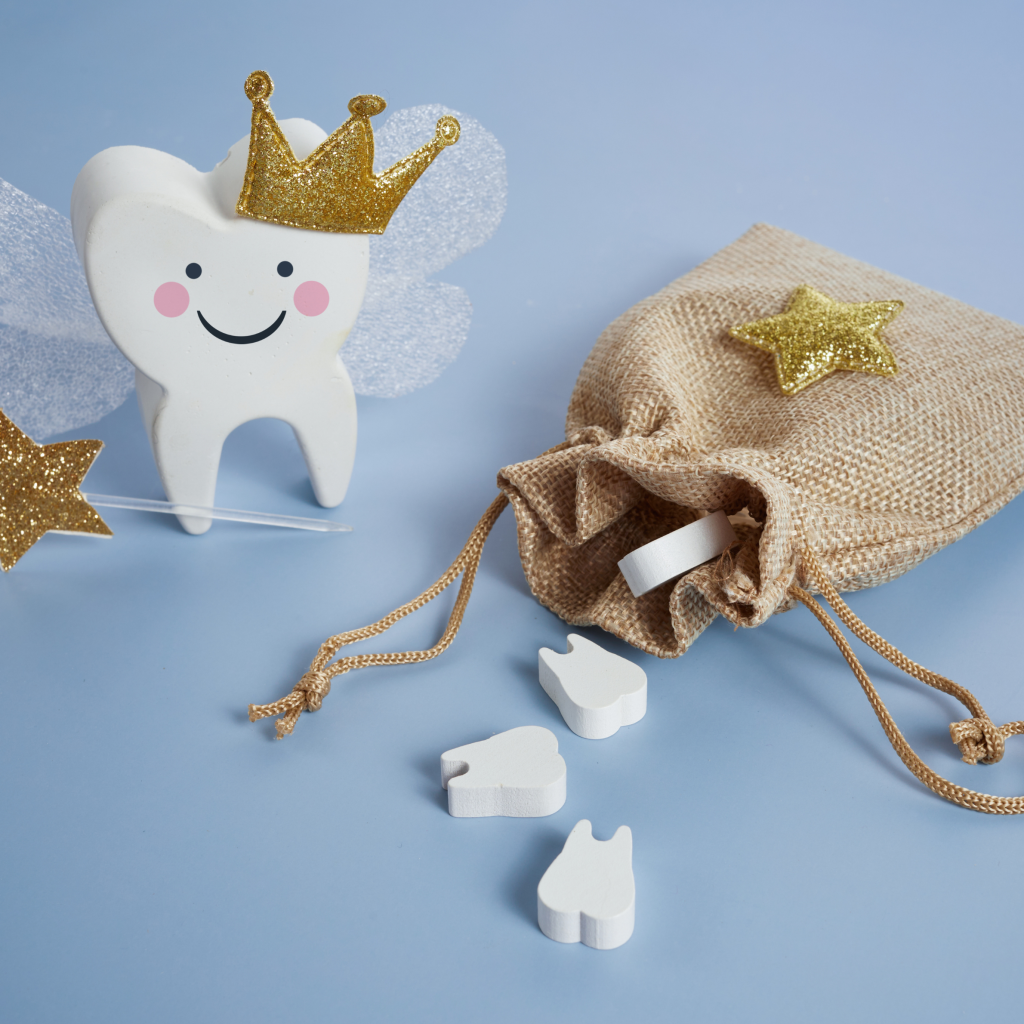
Losing a baby tooth is an exciting milestone for children and families alike. While many children in the UK look forward to a visit from the Tooth Fairy, different cultures around the world celebrate lost teeth in their own unique ways. Discover the fascinating origins of the Tooth Fairy and explore some of the most interesting tooth traditions from across the globe.
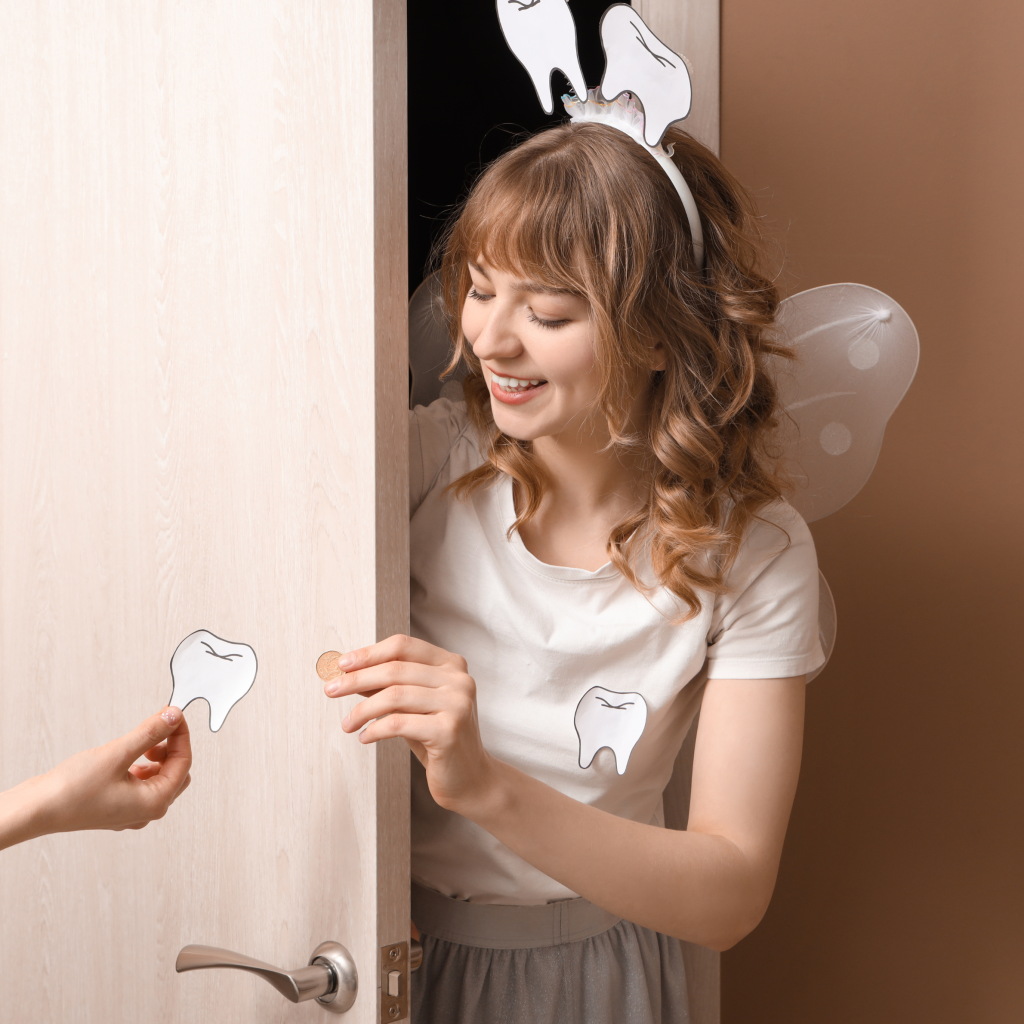
Losing a baby tooth is an exciting milestone for children. For many families, it is also the moment when the Tooth Fairy makes a special visit. Children across the UK eagerly place their lost tooth under a pillow and wake up to find a small reward in its place, turning a natural part of growing up into a magical experience.
The Tooth Fairy has become a much-loved childhood tradition, but its origins may surprise you. The customs surrounding lost baby teeth have evolved over hundreds of years and are influenced by folklore, superstitions and traditions from around the world. While many children today look forward to a visit from the Tooth Fairy, other cultures celebrate this milestone in very different ways.
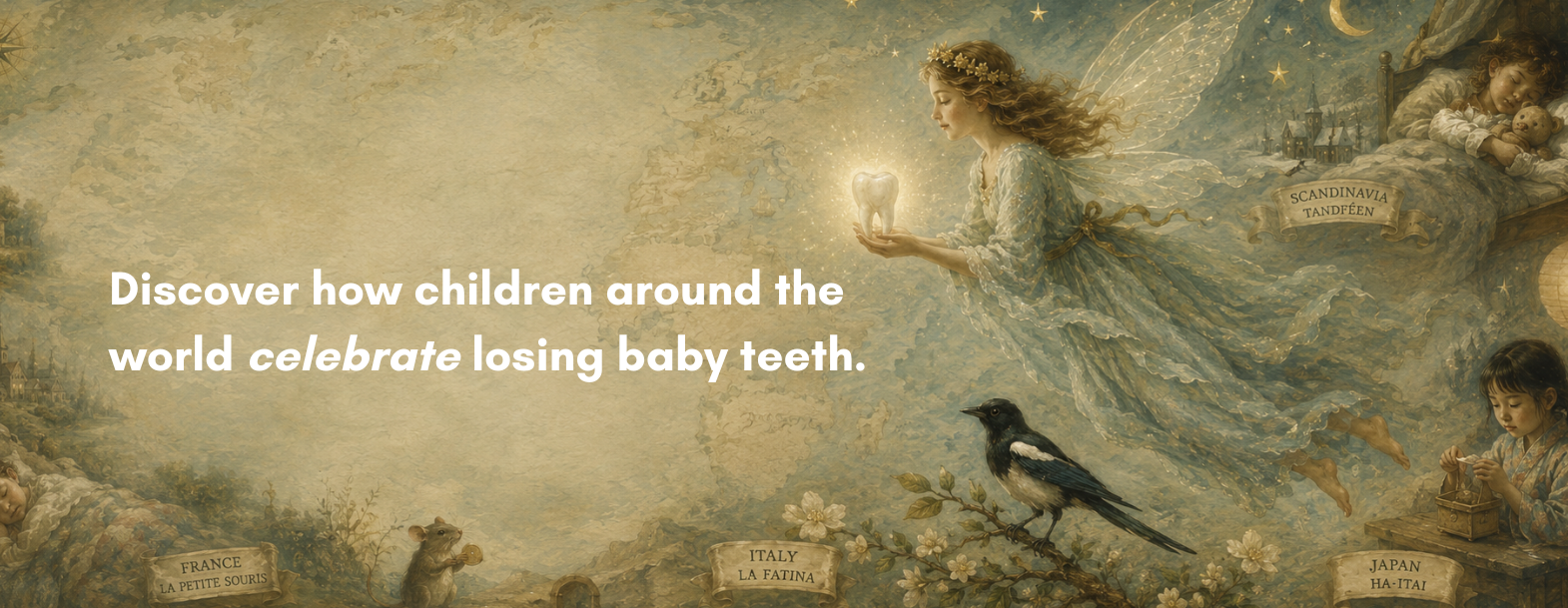
From friendly mice in France and Spain to lucky magpies in South Korea, tooth traditions vary from country to country. These fascinating customs have been passed down through generations and continue to help children celebrate the transition from baby teeth to adult teeth.
In this article, we’ll explore the history of the Tooth Fairy, discover how the tradition developed, and take a journey around the world to uncover some of the most interesting and unusual ways children celebrate losing a tooth.

The modern Tooth Fairy is a relatively recent tradition. The first written reference to a Tooth Fairy exchanging money for a lost tooth appeared in an American newspaper in 1908. However, the idea has much older roots.
Many historians believe the tradition evolved from ancient European customs. In Medieval Europe, people often buried or burned children’s baby teeth. They believed this protected children from bad luck and witches.
Some experts also trace the tradition back to Scandinavia. Viking families paid children a small “tooth fee” when they lost their first tooth. These teeth were thought to bring good luck.
Over time, these customs blended with fairy tales and folklore.
Eventually, the Tooth Fairy we know today was born.
Not every country has a Tooth Fairy.
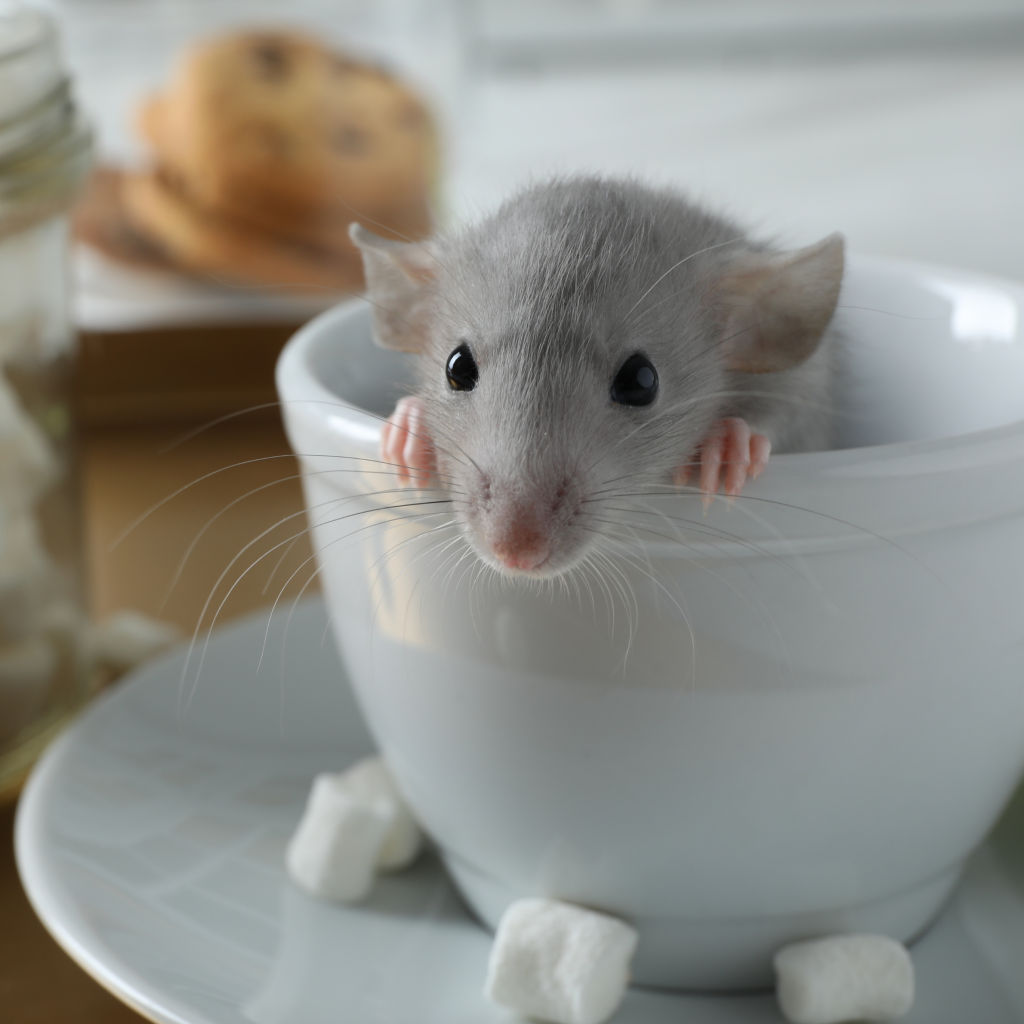
In France, many children wait for La Petite Souris, which means “The Little Mouse.” Instead of a fairy collecting teeth, a friendly mouse visits during the night and leaves a reward.
In Spain and many Spanish-speaking countries, children welcome Ratoncito Pérez. This famous little mouse has been part of children’s stories for more than a century.
Many Asian cultures have their own creative customs.
In South Korea, children often throw their baby teeth onto a roof. According to tradition, a magpie may find the tooth and bring good luck and strong new teeth.
In Japan, children traditionally throw upper teeth downwards and lower teeth upwards onto the roof. The goal is to encourage new adult teeth to grow straight and strong.
Some traditions are quite different from the Tooth Fairy story.
In several Middle Eastern countries, children throw their baby teeth towards the sky while making a wish. This custom dates back many centuries.
Many children place their lost teeth inside a shoe rather than under a pillow. A character known as the Tooth Mouse visits overnight and leaves a small gift or money.
In parts of Mali, children throw their baby teeth into a chicken coop. Traditional stories say this may bring a chicken in return.
Tooth traditions help children celebrate growing up. Losing baby teeth can feel strange or even a little scary.
Stories like the Tooth Fairy make the experience exciting and memorable.
These traditions also create family memories that children often remember for years.
Whether it’s a fairy, a mouse, or a lucky magpie, the message is the same. Growing healthy adult teeth is something worth celebrating.
As exciting as losing baby teeth can be, it’s important to care for the adult teeth that replace them.
Good brushing habits, healthy food choices, and regular dental check-ups all help keep young smiles healthy. At Larkham House Dental Practice, we love helping children feel confident about their dental care from an early age.
If your child has recently lost a tooth or is due for a dental examination, our friendly team is here to help.
Whether it’s a magical Tooth Fairy, a helpful mouse or a lucky magpie, tooth traditions have helped children celebrate growing up for generations. While customs differ around the world, they all share the same goal of making the loss of a baby tooth a positive and memorable experience.
If your child is starting to lose their baby teeth, regular dental check-ups can help ensure their new adult teeth develop healthily and correctly.
“Working with this team is always seamless and enjoyable—top marks all around”
“Thank to the dentist, dental nurse and reception staff for their care and friendliness on our last visit. Highly recommend this dental practice.”
“Great team and excellent service. Always very helpful and honest.”
“After being referred here by my old dentist for a dental implant. I ended up switching to here. So friendly, great what they do, easy to get an appointment, plenty of parking.”
“I highly recommend Larkham House dentistry. As a very anxious person & fear of the dentist, they really look after you. I had Dr V Giddani for few visits what a caring Dentist he...”
“We spent some time yesterday at Larkham House Dental Practice and received 100% treatment and care. The Reception Team, Dentist and Hygienist were excellent and we came away feeling very blessed. We look forward...”
“Never been disappointed there. Staff is friendly and they actually care. My dentist marko roberta (i think she's called), is so friendly and makes an appointment a breeze. The 2 people in the reception...”